Every era of professional golf is remembered by the players who defined it. Jack Nicklaus built the standard. Tiger Woods redefined it. Today’s PGA Tour belongs to stars like Scottie Scheffler, Rory McIlroy, and Xander Schauffele, but another generation is rapidly emerging—one that appears ready to carry the game into its next chapter.
The pipeline of young talent has rarely looked deeper. Thanks to elite collegiate programs, world-class coaching, and increased opportunities to compete against professionals at an early age, today’s rising stars are arriving on the PGA Tour more polished than ever before. They aren’t simply learning how to compete—they’re expecting to win.
At the forefront of this movement is Jackson Koivun. Long considered one of the brightest prospects in amateur golf, Koivun has transformed potential into results with a game built on consistency, confidence, and composure. His breakthrough victory at the 2026 3M Open confirmed what many within golf had anticipated: he has the talent to become a fixture on PGA Tour leaderboards for years to come.
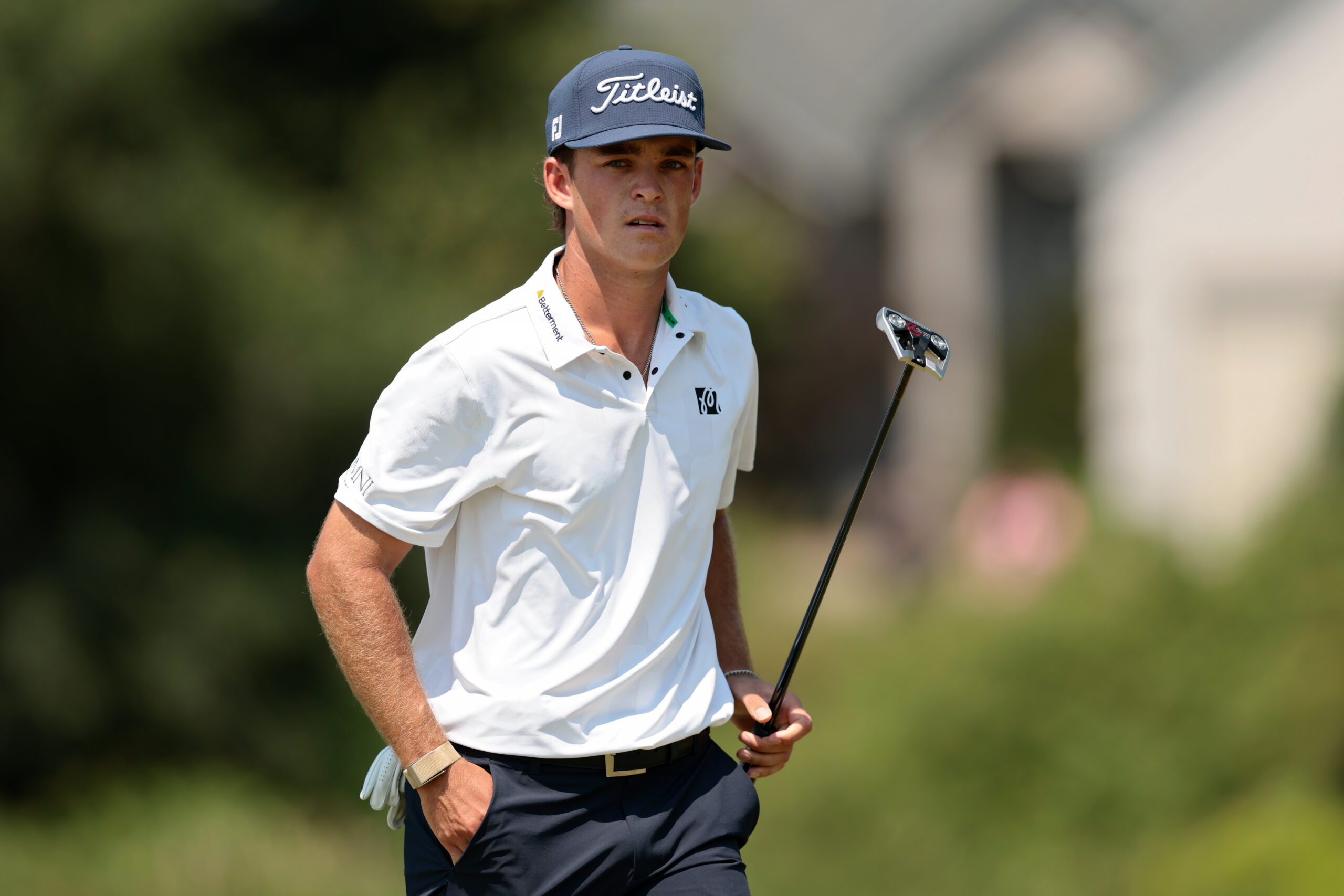
Luke Clanton has followed a similarly impressive path. Even before turning professional, the former Florida State standout proved he could contend against the world’s best. His fearless mentality and exceptional ball striking have made him one of the most anticipated young players to watch as his professional career unfolds.
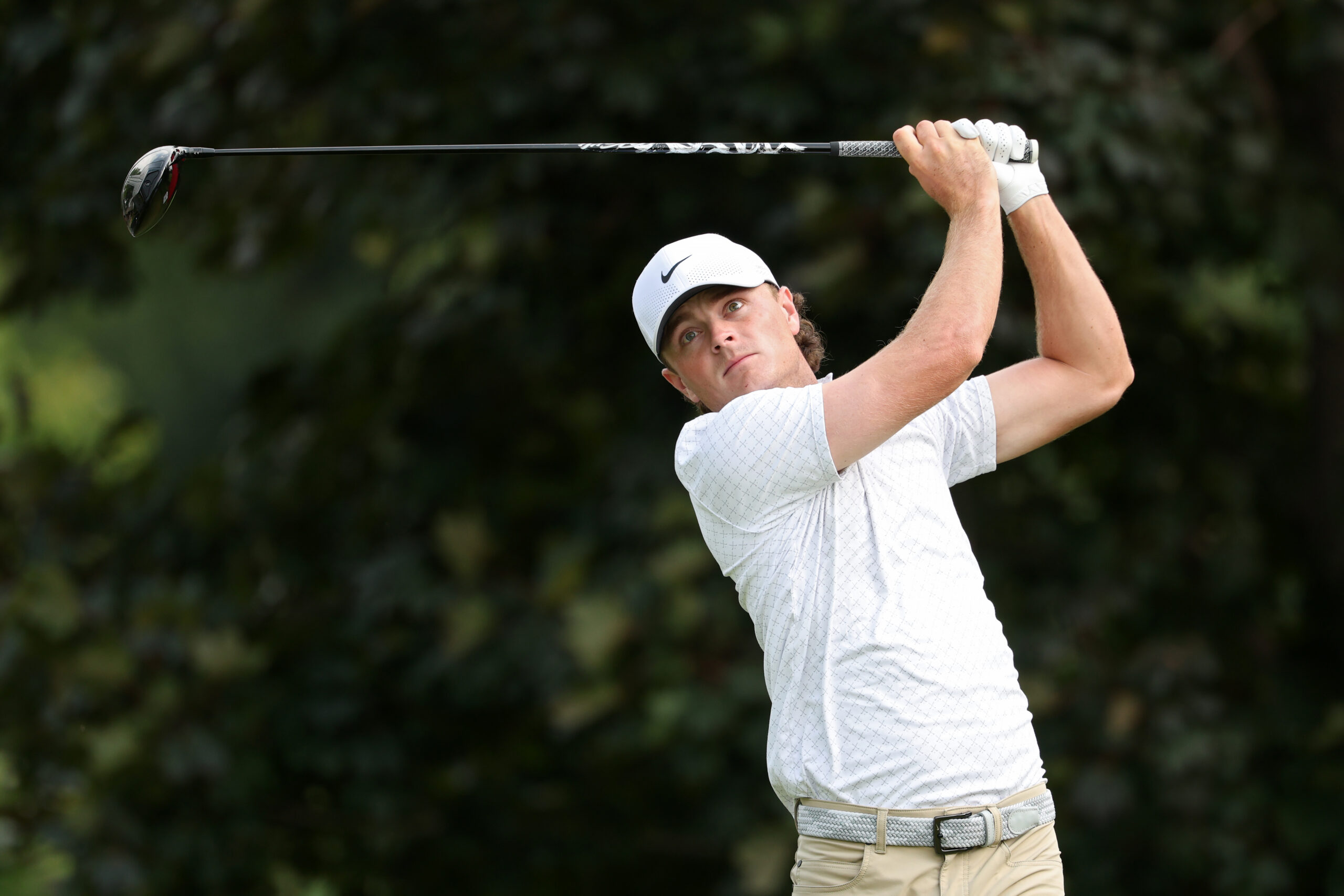
Power has always been a valuable commodity on the PGA Tour, and few possess more of it than Gordon Sargent. One of the game’s longest hitters, Sargent combines explosive distance with an increasingly refined all-around game. As his experience grows, so does the belief that his ceiling is among the highest of any player in his generation.
Michael La Sasso may not command as many headlines, but his steady development has captured the attention of talent evaluators across the golf world. A disciplined ball striker with a calm temperament, La Sasso represents the type of player capable of building a long, successful career through consistency rather than flash.
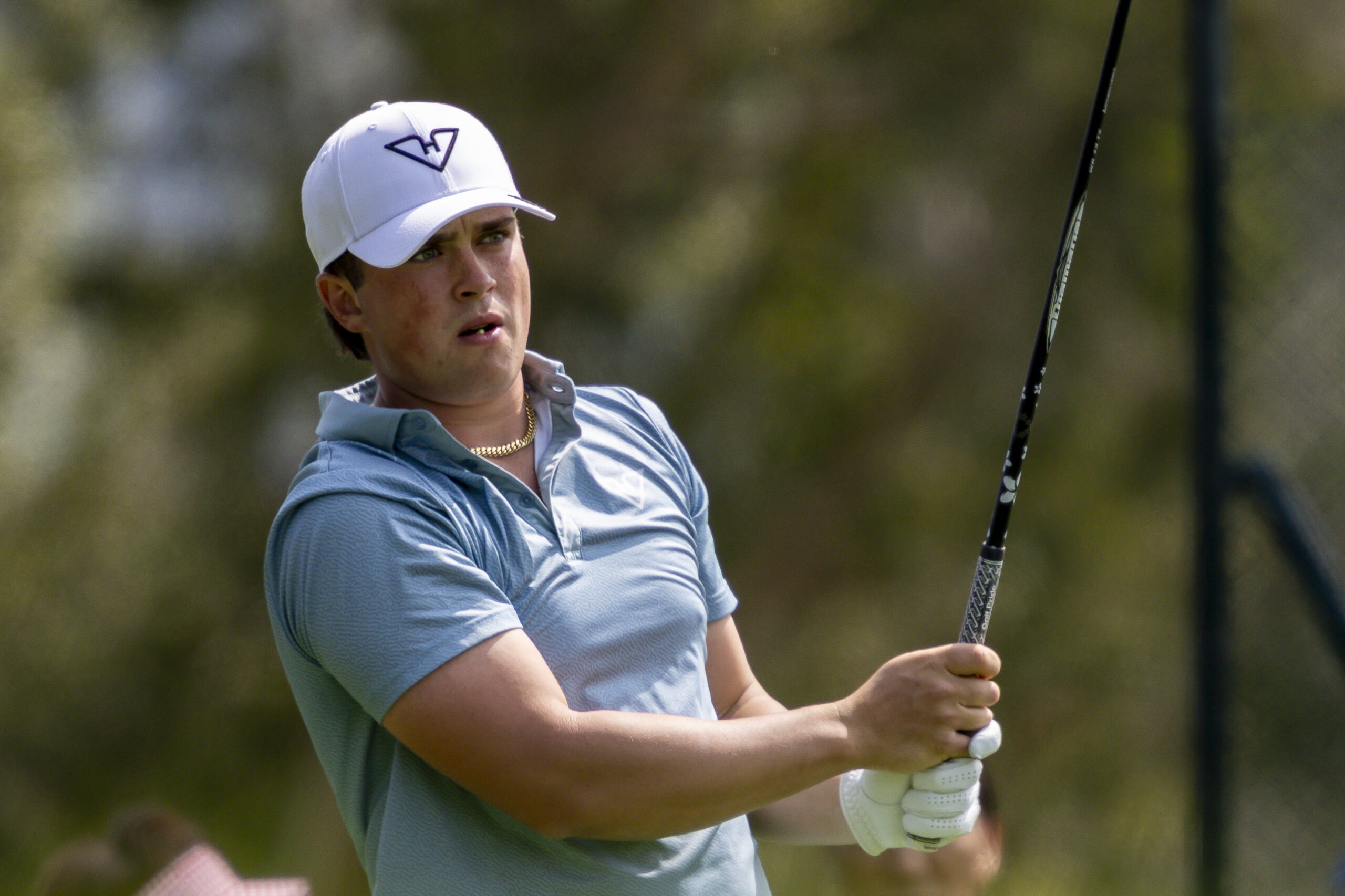
The game’s global reach continues to strengthen the next generation as well. Spain’s Jose Luis Ballester has developed a reputation for creativity, aggressive shot-making, and unwavering confidence under pressure. His game reflects the modern international style that has become increasingly successful on the PGA Tour.
Then there is Miles Russell, whose accomplishments at such a young age have made him one of golf’s most fascinating prospects. Russell’s maturity, technical precision, and competitive instincts have already placed him on the radar of fans and Tour veterans alike. While expectations naturally accompany a player of his ability, he has consistently demonstrated the poise to embrace them.
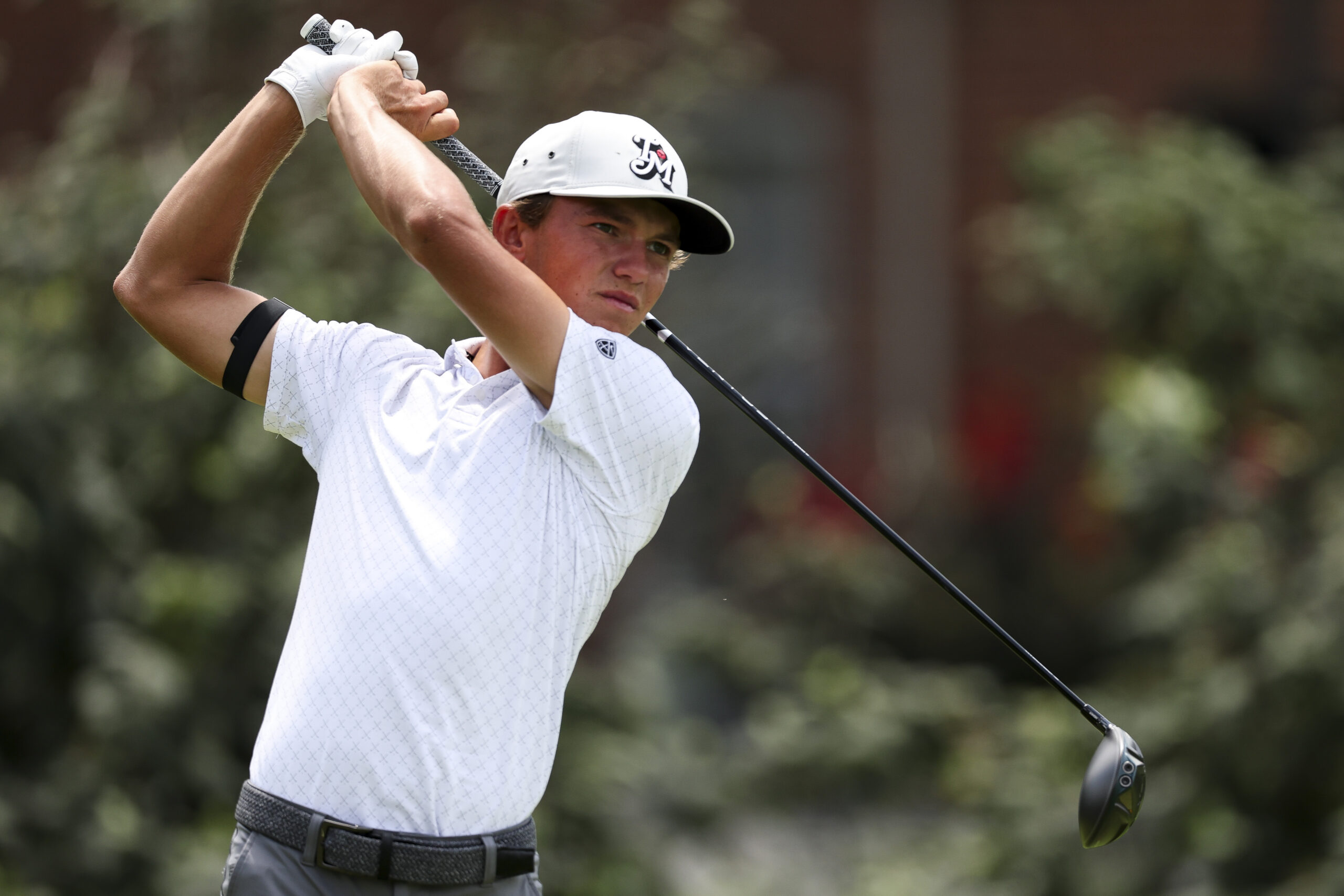
What makes this emerging class particularly intriguing isn’t that each player excels in the same way—it’s quite the opposite. Some rely on overwhelming length, others on precision, creativity, or exceptional course management. Together, they represent a generation with diverse skill sets capable of succeeding across every style of golf course the PGA Tour presents.
The changing of the guard rarely happens overnight. Established champions will continue collecting trophies and competing for major championships. Yet history reminds us that every dominant era eventually gives way to another, and all signs point to that transition already beginning.
For golf fans, the timing couldn’t be better. A new collection of personalities, playing styles, and compelling storylines is taking shape, offering the promise of fresh rivalries and memorable Sundays for years to come.
The future of the PGA Tour isn’t years away. It’s already teeing it up every week, steadily proving that the next generation is prepared to become golf’s next generation of superstars.